
Your logistics challenge is rarely just a freight problem.
Costs can rise without a clear cause. A reefer lane may keep failing. Your warehouse footprint may no longer fit your demand. Or multiple providers may be handling individual tasks with no one taking responsibility for the system as a whole.
MVP Logistics helps you understand what's happening across the network, identify the highest-value opportunities, and build a practical operating model around your business goals.
We're the logistics partner you bring in when you need more than a lane quote. You need someone to rethink how your supply chain works.


We design the solution, then help make it work.
MVP combines advisory-level logistics strategy with hands-on operating execution. Our recommendations are grounded in real transportation, warehousing, fulfillment, and distribution experience, not just a report or presentation.
Whether you need to reduce total landed cost, redesign your distribution network, improve service reliability, or bring fragmented providers under one operating model, we help move the work from analysis to implementation.
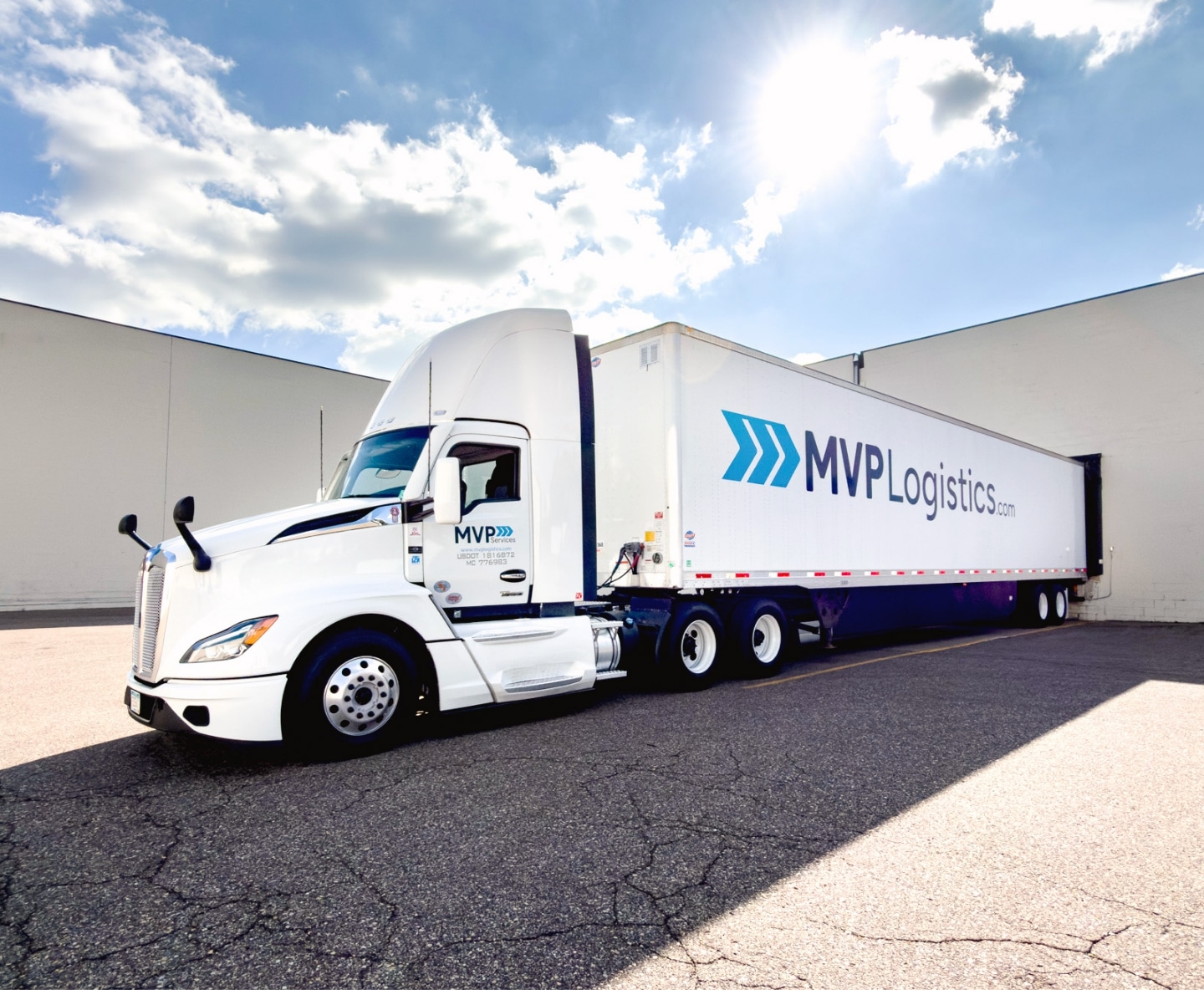



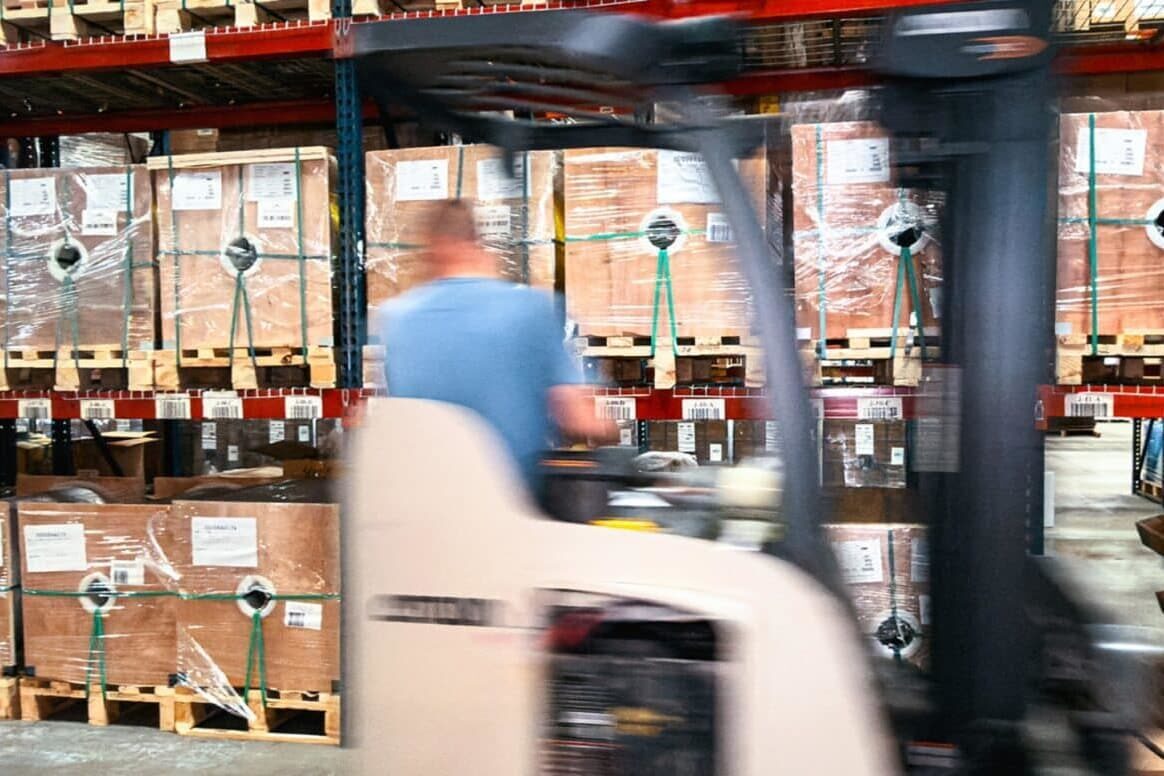
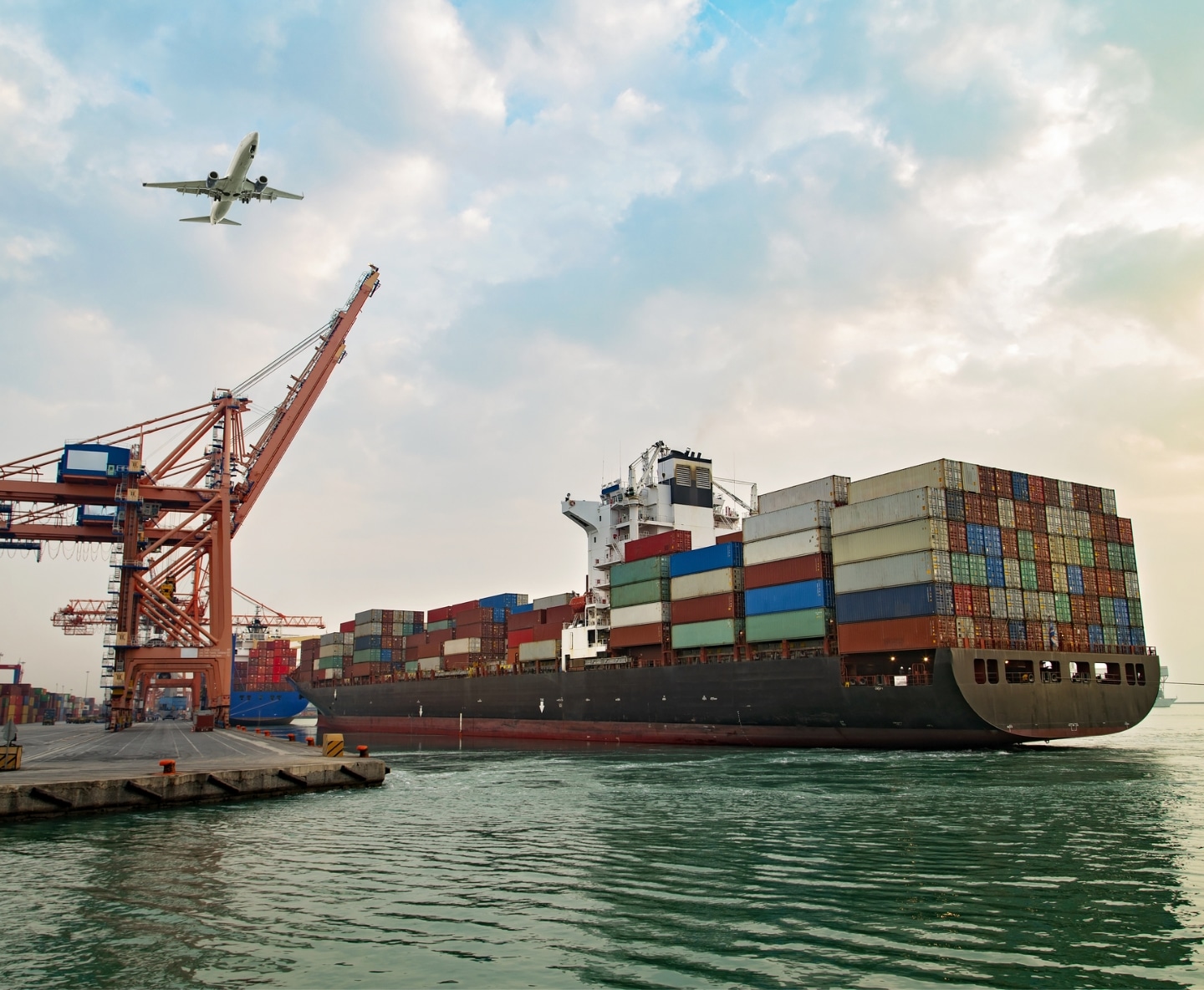
The right logistics partner understands your operation, not just your shipment.
MVP Logistics works with mid-market companies that have meaningful supply chain complexity but need more strategic support than a transactional provider typically offers.
Food & Beverage
Improve the reliability and efficiency of temperature-sensitive freight, multi-stop distribution, warehousing, and delivery operations.
Manufacturing
Coordinate transportation, inventory, warehousing, and distribution around production schedules, customer requirements, and growth plans.
Distribution
Bring greater control to freight, fulfillment, network design, and provider performance as your business expands across markets.
Why mid-market shippers trust MVP as their 3PL.
We look beyond the immediate lane or shipment to understand the network, operating model, and business objective behind the request.
A lower freight rate doesn’t always produce a lower total cost. We evaluate transportation, warehousing, inventory movement, service failures, and operational risk together.
Our recommendations are informed by experience managing real freight, warehouse operations, fulfillment programs, and complex delivery requirements.
More than 60% of MVP’s customers have worked with us for three years or more. Trust isn’t a claim we make, it’s a pattern our clients create by staying.
We use technology, performance metrics, and real-time information to help clients make faster, clearer, more accountable logistics decisions.
You get a senior, responsive partner that can adapt to your operation without forcing your business into an enterprise-scale template.
We don’t stop at strategy. We help implement, operate, measure, and refine the solution until it produces meaningful results.
From supply chain complexity to a working operating model.


The proof behind the trust.
MVP Logistics combines experienced people, practical technology, and a commitment to proactive communication.
- 99% on-time delivery rate
- Real-time shipment visibility
- 10 years average industry experience per employee
- 60%+ of customers partnered with MVP for more than three years

Brian Letcher
Arctic Air
“The online portion [of my service] is going really well. I find it very efficient/fast trying to get orders processed, which is great!
Saves me a lot of time during the day to dedicate the extra time elsewhere, so thank you guys over there at MVP!”
Dane Fangel
Crown Plastics INC.
Practical thinking for complex supply chains.
Explore guidance from MVP Logistics on freight costs, supply chain optimization, network design, resilience, and the relationship between logistics performance and business growth.Frequently Asked Questions
A logistics solutions provider helps companies design, manage, and improve the systems used to move, store, fulfill, and deliver products. MVP Logistics combines supply chain strategy with transportation, warehousing, fulfillment, final mile, and freight forwarding execution.
Trust is built through consistent execution, not marketing claims. MVP earns it through on-time performance, transparent communication, and long-term partnerships. More than 60% of MVP’s customers have stayed with us for three years or more, well above what’s typical for transactional 3PL relationships.
A transactional broker typically focuses on covering a shipment or lane. MVP starts by understanding the broader business problem, then designs and executes a solution around cost, service, network efficiency, and operational risk.
MVP primarily works with mid-market Food & Beverage, Manufacturing, and Distribution companies that have complex transportation, warehousing, fulfillment, or network-design requirements.
Yes. MVP provides refrigerated transportation and reefer logistics support for temperature-sensitive freight, including carrier coordination, lane strategy, multi-stop planning, and service-reliability improvements. MVP should not be positioned as a refrigerated warehouse or cold-storage operator.
Yes. MVP provides warehouse and fulfillment services supported by inventory visibility, order management, API and EDI connectivity, and scalable operating processes. Its Extensiv WMS can connect with e-commerce platforms, ERP systems, shipping carriers, and custom APIs, depending on each client’s requirements.
MVP begins by learning how your current supply chain operates, where costs or service issues are occurring, and what business goals the logistics model needs to support. The next step may include a logistics assessment, network analysis, or solution-design engagement.
Work With a 3PL Mid-Market Shippers Actually Trust
Strategy and execution, working together.
If your logistics problem is bigger than a lane quote, MVP Logistics can help you evaluate your current network, cost structure, provider mix, and operating model.
Request a consultation with the most trusted 3PL for mid-market shippers, one that brings strategy and execution together.