
Summer Coverage Window Is Closing.
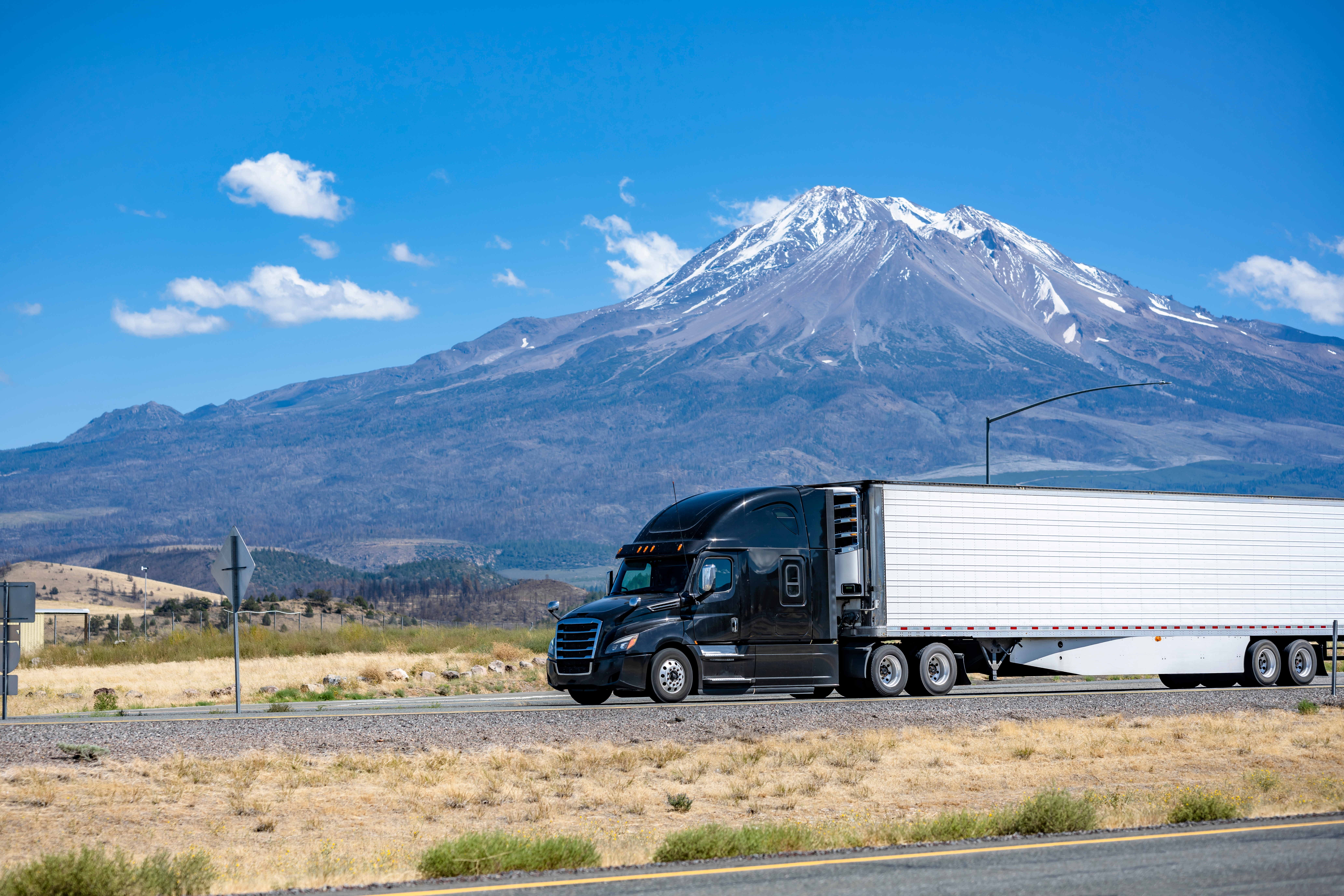
If you manage refrigerated freight for a food and beverage operation, the reefer market has already moved against you this summer. Spot rates for refrigerated truckload are running 25% to 35% above year-ago levels. Seasonal demand is tightening capacity across major corridors, and the carriers who were available earlier this year are increasingly committed to shippers who locked in coverage before the summer demand surge arrived.
For transportation managers moving refrigerated or frozen products, the gap between budgeted rates and current market conditions is not closing on its own. Spot rate exposure during summer peak means paying a premium for freight you need at a fixed time. More critically, it means accepting availability risk on your most time-sensitive lanes, where a rejected tender or a delayed pickup creates a service failure you cannot absorb.
How Summer Puts Specific Pressure on Specific Lanes
Seasonal reefer demand does not tighten the market uniformly. Western U.S. corridors see the sharpest capacity pressure as summer volumes peak, pulling refrigerated capacity westward and reducing availability on outbound lanes across the Southeast and Midwest. The shippers who feel that pressure most are the ones whose lanes compete for the same carrier pools during the same delivery windows. A demand spike in one region reshuffles capacity nationwide.
Carriers are making active selection decisions in this market. Shippers who historically honor tender commitments and consistent freight patterns get covered first. Those with more variable volumes or thinner carrier relationships absorb the rejections. A tender rejection on refrigerated freight is not the same situation as one on a dry van shipment. You have shelf-life windows, retail receiver appointments, and schedule expectations that do not flex around a carrier’s availability. Finding a spot truck after a primary rejection, at elevated rates and under time pressure, is crisis management. It is not a supply chain strategy.
Freight costs on spot-exposed reefer shipments are projected to run 20% to 30% above last year’s levels through the rest of this year. These increases are not evenly distributed. The highest exposure typically sits on the lanes with the least coverage depth, which is exactly where peak season puts the most strain.
What Protecting Your Refrigerated Coverage Actually Requires
Shippers who navigate peak season without service failures are not lucky. They built committed carrier coverage on their highest-risk lanes before the seasonal crunch arrived, and they had a partner doing the analysis ahead of time rather than booking reactively.
A strong logistics partner does this work before the market forces your hand. That means reviewing your specific lanes against current carrier capacity, not national rate averages. It means identifying which corridors are most exposed to summer pressure before the rejections arrive. It means building coverage on those lanes while options still exist, and bringing that analysis to you with enough lead time to act on it.
We take responsibility for that proactive work. Catching the exposure before it becomes your problem is what separates a logistics partner from a vendor. If your carrier coverage is at risk this summer, you should hear about it before a rejection shows up in your tracking system.
The lanes most at risk are not always the ones that look exposed on paper. Summer capacity pressure surfaces in patterns that require lane-level analysis to see. If you want to know where your network stands before the peak costs you a load, reach out now and we will walk through your lanes with you.